Ignition Insights
Microgrids, VPPs and Dispatch Algorithms: Where the R&D Actually Sits in an Energy Software Project
Quick answer: In a microgrid or VPP business, candidate core R&D is usually found in specific experimental activities rather than the platform as a whole. This may include testing control, forecasting or dispatch logic where the outcome cannot be known or dete...

Electrifying Process Heat: When Is Decarbonisation Engineering R&D, and When Is It an Excluded Efficiency Survey?
Quick answer: An energy audit or efficiency study of your own plant is on the excluded list — "management studies or efficiency surveys" cannot be core R&D activities under s 355-25(2)(c) of the ITAA 1997, and business.gov.au gives "the energy efficiency of a...

Working With a University or Research Institute: Who Claims the R&D Tax Incentive?
Quick answer: In the ordinary university–industry arrangement the company claims, not the university. The R&D Tax Incentive is only available to an eligible R&D entity — broadly, a company — and the activities must be conducted for that company. An exempt enti...

Core or Supporting? Which Parts of Your R&D Project Go in the Claim — and Under Which Test
Quick answer: Core R&D activities are experimental activities whose outcome cannot be known in advance and that follow a systematic progression of work. Supporting R&D activities are activities directly related to a core activity — and where they are excluded...

A Contract Manufacturer Makes Your Product — Can You Still Claim the R&D Tax Incentive?
Quick answer: Potentially, yes. The R&DTI asks who each R&D activity was conducted for — not whose hands ran the batch. The question is assessed on the whole of the circumstances, including who receives the major benefit, informed by who effectively owns the r...
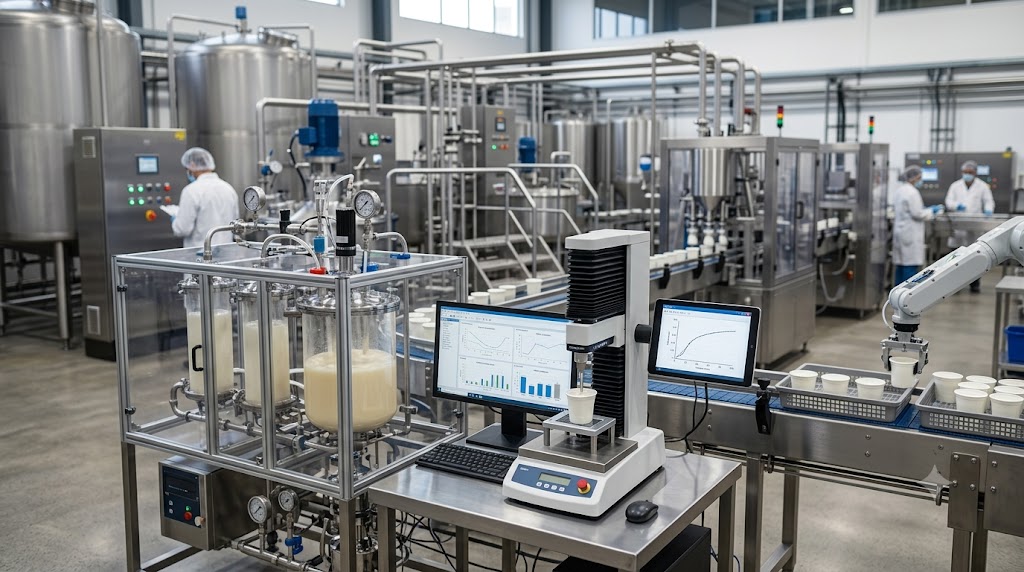
Food Manufacturing Is Also R&D: How Traditional Food Manufacturers Turn Production Challenges into R&D Opportunities Insights from Chobani Australia’s Localisation Journey
Introduction In Australia, research and development (R&D) extends far beyond the high-technology sector, serving as a critical driver of innovation, productivity improvement and risk mitigation across traditional industries, including agriculture and food manu...
Food & Beverage R&D: When Does Reformulating a Recipe Become an Eligible R&D Activity?
Quick answer: Reformulating a recipe is not automatically R&D. If the change hits a cost, flavour or marketing target using techniques a competent food technologist already knows, it fails the R&D Tax Incentive test. It may be eligible only where the outcome c...

The Internal-Use Software Exclusion (s 355-25(2)): When 'Dominant Purpose Is Internal Administration' Sinks Your Claim
Quick answer: Software built mainly to run your own business — such as an ERP, CRM or internal workflow tool — is excluded from being a core R&D activity under section 355-25(2) of the ITAA 1997 where its dominant purpose is use by the developer,...

Trading Through a Trust or Partnership? Why It May Block Your R&D Tax Incentive — and How to Fix the Structure
Quick answer: Generally, a discretionary trust or an ordinary partnership cannot itself register for or claim the R&D Tax Incentive, because the incentive is only available to an eligible “R&D entity” — broadly, a qualifying company. If yo...